Your dreams of creating the perfect living space are within reach, and we understand the unique challenges you face. Whether it’s the desire for opulence, functionality, or alignment with your values, we’re here to guide you.
Imagine a space that not only reflects your success but also captures your personality and philanthropic vision. Picture a place where every detail embodies your refined taste, where luxury meets purpose, and where charitable events become transformative experiences.
But we know there’s more to it than just envisioning. You’re navigating the complex world of NYC construction and zoning laws, and that can be daunting. That’s where we come in.
In this post, we’ll demystify NYC’s zoning laws, helping you transform your dream into a reality while staying compliant. We’ll empower you with knowledge, so you can make informed decisions, secure the right permits, and bring your vision to life.
Your journey to the perfect living space starts here, with us as your dedicated guide. Let’s embark on this transformation together, ensuring that your dreams are not only realized but also exceed your highest expectations.
Navigating the Intricacies of NYC Zoning Laws for Homeowners
In the dynamic landscape of New York City, understanding NYC Zoning Laws is paramount for every homeowner. These complex regulations, a vital part of New York City building regulations, shape your property’s potential and ensure its alignment with the city’s architectural vision. Grasping these laws not only empowers you to enhance your property’s value but also safeguards you from legal intricacies.
Zoning laws in NYC intricately dictate the permissible structure of buildings, encompassing aspects like height, size, and functional use. This regulation extends to determining the permissible types of businesses in various zones. As a homeowner, comprehending these facets allows you to harmoniously blend your property’s development with the city’s growth, ensuring a balance between residential, commercial, and industrial spaces.
Moreover, adept knowledge of these zoning laws simplifies the daunting permit process. By understanding the specific requirements of your zone, you can expediently navigate through the intricacies of obtaining necessary construction or renovation permits, thereby mitigating the risks of project delays or denials.
In essence, a thorough understanding of NYC Zoning Laws is not just about compliance; it’s about optimizing your property’s value and seamlessly integrating your vision with the city’s developmental blueprint.
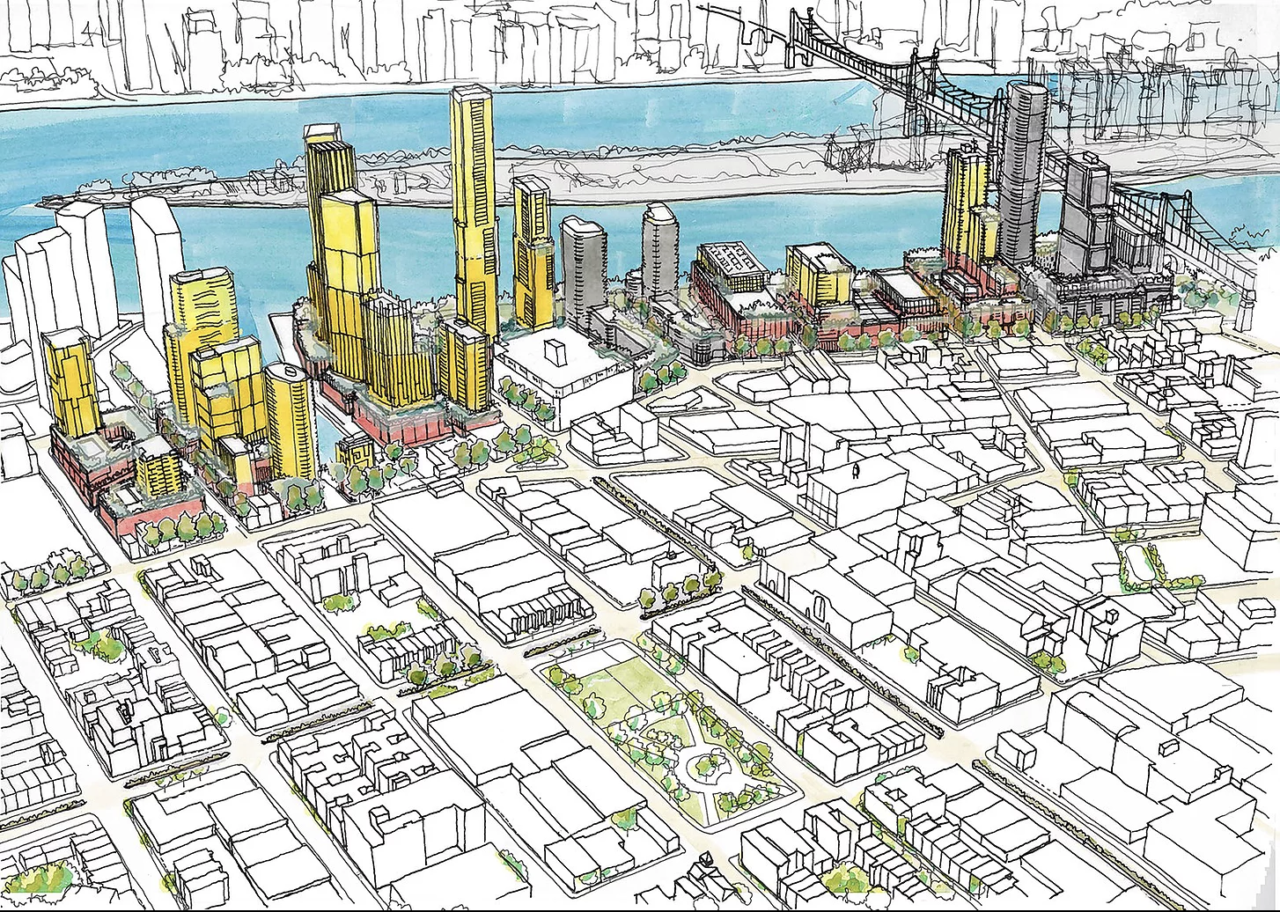
Unraveling the Zoning Districts of NYC and Their Impact on Construction
New York City, a mosaic of diverse neighborhoods, is segmented into various zoning districts, each governed by specific zoning regulations in NYC. These districts dictate permissible constructions and renovations, impacting every property owner’s decision-making process.
1. Residential Districts: In the residential zones, the focus is on creating livable spaces with considerations for building height, density, and permissible activities. These zones, categorized as R1, R2, R3, etc., have unique specifications, essential for homeowners to comply with, especially when considering construction permits in NYC.
2. Commercial Districts: The commercial zones, vibrant hubs of economic activities, have distinct guidelines for building dimensions, signage, and parking. These zones, such as C1, C2, and C4, cater to retail, dining, and office spaces, each with tailored regulations ensuring the district’s commercial viability.
3. Manufacturing Districts: These districts are the city’s industrial backbone, accommodating factories and warehouses. Regulations here focus on building usage, floor area ratios, and environmental considerations, crucial for industrial property owners to understand.
4. Special Purpose Districts: These unique zones, including historic districts and waterfront areas, have special regulations addressing specific local concerns or preservation needs. Being aware of these additional rules is vital for property owners within these districts to ensure compliance.
Understanding these zoning districts and their respective regulations is key for NYC property owners. Whether you’re planning a residential renovation or a commercial development, being informed ensures your property modifications align with the city’s vision and legal framework.
Zoning Essentials for Residential Property Development in NYC
In New York City, the development and modification of residential properties are closely regulated to preserve neighborhood aesthetics and functionality. Understanding these zoning regulations is crucial for homeowners planning any construction or renovation.
1. Floor Area Ratio (FAR): This crucial metric governs the maximum floor space allowable on a property, relative to its lot size. Different residential districts have varying FAR requirements, impacting the scale of possible constructions. Navigating these specifications is key when applying for construction permits in NYC.
2. Building Height Regulations: Residential zones have set limits on building height, measured either in stories or feet. These regulations, including specific limits for building portions like setbacks, are designed to ensure adequate light and air quality in residential areas.
3. Setback Requirements: These are mandatory distances between a building and property boundaries or adjacent buildings, ensuring adequate space and privacy. Zoning regulations define these setbacks for different yard types, influencing the layout and design of residential properties.
4. Use Regulations: Zoning laws also define permissible property uses, varying from single-family homes to multi-family dwellings and, in some cases, limited commercial activities. Adhering to these use regulations is vital for legal compliance and neighborhood integration.
5. Accessory Dwelling Units (ADUs): In some districts, ADUs are allowed under specific conditions. These regulations cover aspects like unit size, entryways, and owner occupancy rules, offering additional housing options within existing residential frameworks.
For homeowners, understanding and complying with these zoning regulations, alongside NYC property development guidelines, is essential. It not only ensures legal compliance but also enhances the long-term value and functionality of your property.
1. **Image Placement**:
– Filename: “Residential-Building-Height-Limits-NYC.jpg”
– Caption: “Visual Guide to Building Height Regulations in NYC’s Residential Zones”
Steering Clear of Common Zoning Violations in NYC
Navigating New York City’s complex zoning landscape requires vigilance to avoid common pitfalls. Compliance with NYC zoning codes is not just a legal obligation but a commitment to preserving the city’s architectural integrity. Understanding these common zoning violations can help property owners maintain compliance and uphold the standards set by NYC Zoning Laws.
1. Illegal Conversions: A frequent issue is the unauthorized transformation of spaces like basements into separate living units. These conversions require specific permits and adherence to district-specific zoning regulations to avoid legal repercussions.
2. Building Height Violations: Exceeding the designated height limits for buildings is a common violation. Whether it’s adding extra stories or rooftop features, ensure you have the right permits and follow the regulations of your specific zoning district.
3. Setback Violations: Properties built too close to boundaries or adjacent structures often run afoul of setback rules. Homeowners planning expansions should diligently consult district zoning codes to align with these critical spacing requirements.
4. Illegal Use of Property: Utilizing properties for purposes not sanctioned under zoning codes, like running certain types of businesses in residential areas, can lead to violations. Familiarize yourself with the allowed uses within your zoning district to avoid such issues.
5. Signage Violations: For commercial properties, adherence to guidelines governing signage size, placement, and design is crucial. Ensuring that your signage complies with the local zoning codes is important to avoid fines.
By staying informed about and compliant with NYC zoning codes, property owners can avoid these common violations, thereby safeguarding their property’s value and avoiding legal complications.
Mastering the NYC Zoning Process for Property Development
Navigating the NYC zoning process is a critical step in property development, demanding an understanding of New York City building regulations and adherence to NYC property development guidelines. Here’s a roadmap to guide you through this intricate process:
1. Research: Begin by delving into the zoning regulations of your district. Knowledge of permitted uses, height restrictions, and setbacks is fundamental. This initial research lays the groundwork for ensuring your project aligns with the city’s requirements.
2. Professional Consultation: Engaging with experts, like architects or zoning consultants, can be invaluable. These professionals bring expertise in NYC’s zoning intricacies, enhancing your project’s compliance and likelihood of success.
3. Permit Acquisition: Securing the necessary permits from the NYC Department of Buildings is a crucial step. Accurate and complete permit applications are key to averting delays or rejections. Professionals can offer significant aid in navigating this process smoothly.
4. Community Board Engagement: For some projects, involvement with the community board is necessary. Participating in these meetings allows you to address community concerns and can improve the chances of your project’s acceptance.
5. Monitoring Approval: After submitting your applications, keep a close eye on the approval process. Promptly responding to any requests for additional information can facilitate a smoother journey through the bureaucratic process.
6. Adherence to Construction Codes: Beyond zoning, compliance with NYC Construction Codes is essential. These codes cover various aspects of construction safety and are crucial for the structural integrity and functionality of your project.
Navigating the NYC zoning process, though complex, can be streamlined with thorough preparation, expert advice, and strict compliance with regulations.
2. **Image Placement**:
– Filename: “NYC-Construction-Code-Compliance.jpg”
– Caption: “Ensuring Safety and Compliance: Understanding NYC Construction Codes”
Hiring a Professional for Zoning Compliance
Understanding and adhering to New York City building regulations is crucial in any high-end home remodeling or development project. Zoning regulations in NYC are complex and vary by district, making the navigation through these rules a challenging task. This is where the expertise of a professional becomes invaluable.
**Image Placement 1**
Filename: nyc-zoning-consultant-in-action.jpg
Caption: Expert zoning consultant reviewing New York City building regulations.
Firstly, professionals specializing in zoning compliance possess deep knowledge of NYC zoning laws. They stay updated with the latest changes in regulations and understand the specific requirements of different districts. This level of expertise is crucial in making informed decisions, ensuring your project aligns with legal standards, and avoiding costly mistakes.
Secondly, when it comes to the permit process, efficiency is key. Obtaining construction permits in NYC can be a daunting task, given the multitude of requirements and procedures involved. Professionals who have regular interactions with the NYC Department of Buildings can streamline this process. Their familiarity with the system allows for a smoother, more efficient permit acquisition, saving you time and expediting your project’s commencement.
**Image Placement 2**
Filename: nyc-construction-permit-application.jpg
Caption: Professional submitting a construction permit application in line with NYC property development guidelines.
Hiring a professional for zoning compliance not only ensures adherence to New York City building regulations and zoning regulations in NYC but also brings efficiency to the permitting process. This expertise is a crucial component in successfully navigating the complexities of property development and remodeling in New York City.
Resources for Understanding NYC Zoning Laws
In the realm of property development in New York City, understanding NYC zoning laws is critical. For homeowners and developers, these laws form the backbone of successful project planning and execution. It’s vital to engage professionals who are well-versed in NYC property development guidelines to navigate these complex regulations.
**Image Placement 1**
Filename: zoning-law-expert-consultation.jpg
Caption: Professional consultation with an expert on NYC zoning laws.
Professionals like architects, urban planners, or zoning consultants offer invaluable assistance. They can interpret and apply the zoning code, which includes various districts and land use classifications, to your specific project. This expertise is crucial in determining permissible construction or modifications under your property’s zoning designation.
Moreover, these professionals can facilitate the preparation of essential documents, such as zoning diagrams or site plans, which are integral to the construction permits in NYC. Their guidance simplifies the complex permit application process, ensuring all regulations are met and documents are correctly submitted.
**Image Placement 2**
Filename: preparing-nyc-construction-permits.jpg
Caption: An architect preparing necessary documentation for construction permits in NYC.
While enlisting the services of a zoning expert incurs costs, the investment is justified. Their knowledge not only saves time and effort in understanding the intricate zoning regulations but also ensures legal compliance. Their guidance is a safeguard against potential disputes and penalties arising from zoning violations. In essence, professional assistance is a strategic investment for maximizing property potential and minimizing legal risks in NYC property development.
As a homeowner in New York City, understanding and navigating the complexities of NYC zoning laws is essential. These regulations, encompassing everything from building heights to land use classifications, are not just about compliance but about aligning your property development with the city’s vision. Whether you’re planning a luxurious renovation or a functional upgrade to host events, mastering these laws is key to realizing your dream home. Utilizing resources like the New York City Department of City Planning, engaging with community organizations, and consulting with experienced neighbors can greatly aid in this journey. Your proactive engagement with these zoning regulations not only ensures the legality and success of your projects but also contributes to the harmonious growth and development of our beloved city. Stay informed, stay engaged, and let’s work together to make New York City not just a place to live, but a reflection of our success and aspirations.Ready to bring your New York City dream home to life, but feeling overwhelmed by the complexities of NYC zoning laws? Don’t navigate this journey alone. Connect with us at KS Renovation Group, your expert guide in high-end home remodeling and custom design solutions. Our team is well-versed in the intricacies of New York City building regulations and zoning codes, ensuring your project not only meets legal standards but also reflects your unique taste and aspirations. Contact us today for a free estimate and embark on the path to transforming your space into a bespoke masterpiece. Let’s turn your vision into a reality, within the tapestry of New York City’s vibrant architectural landscape.