Imagine this: you’re standing in your cramped Manhattan bathroom at 7 AM, trying to get ready for work while construction dust settles on every surface. Your kitchen is a maze of plastic sheeting, and you’re microwaving dinner in your bedroom. Sound like a nightmare? It doesn’t have to be.
Renovating your NYC apartment without moving out is not only possible – it’s increasingly common among co-op and condo owners who refuse to pay double rent or disrupt their families’ lives. The expense of temporary housing during a renovation can significantly impact your project budget, eating into funds better spent on high-quality finishes or expanding your scope of work.
But living through a renovation requires more than just tolerance for noise and dust. It demands strategic planning, clear communication with your renovation team, and a deep understanding of your building’s rules. Between NYC’s notoriously strict building regulations and co-op board requirements that can delay projects for months, Manhattan renovations present unique challenges that differ dramatically from work in other cities.
In this comprehensive guide, you’ll discover exactly how to plan and execute a full apartment renovation while maintaining your sanity and your residence. Whether you’re updating a pre-war co-op or modernizing a luxury condo, these proven strategies will help you navigate every phase of your project – from initial planning to final cleanup – without ever packing a moving box.
Understanding the Challenges of Occupied Renovations in NYC Buildings

The Co-op and Condo Approval Maze
Before a single nail is hammered, NYC co-op and condo owners face a bureaucratic obstacle course that can stretch for several months. Co-op board approval processes are particularly demanding, requiring detailed renovation plans, contractor insurance certificates, building access schedules, and sometimes even personal interviews with board members.
Most Manhattan co-op boards mandate:
- Alteration agreements with associated fees
- Certificate of Insurance with substantial liability coverage
- Detailed architectural plans stamped by a licensed architect
- Proof of contractor licensing and workers’ compensation insurance
- Working hour restrictions (typically Monday-Friday, 9 AM-5 PM)
Condo boards generally have less stringent requirements, but you’ll still need to navigate the building’s house rules and coordinate with property management. Missing any documentation can delay your start date by weeks, compounding the challenge of living in a construction zone.
Living Conditions and Safety Considerations
Dust containment is the number one quality-of-life issue during occupied renovations. Even with precautions, fine particulate matter travels through HVAC systems, under doorways, and through the smallest gaps. Homeowners with respiratory conditions, young children, or pets need to establish truly dust-proof barriers—not just the standard plastic sheeting that many contractors use.
Health and safety protocols become critical when you’re sleeping steps away from power tools:
- Lead paint testing in pre-war buildings (required for structures built before 1978)
- Asbestos inspection for flooring, ceiling tiles, and insulation
- Secure tool storage to prevent accidents with children or pets
- Ventilation planning to avoid toxic fume buildup from paints, adhesives, and sealants
- Emergency egress routes that remain accessible throughout construction
The EPA provides detailed guidelines for renovation safety that every occupied project should follow.
The Reality of Temporary Housing
A typical Manhattan renovation takes several months for a full apartment gut renovation. Temporary housing during this period includes expenses for short-term rentals, storage units, moving costs, and potentially temporary furniture rental. For many homeowners, these additional expenses are simply prohibitive. Staying in place may be uncomfortable, but it preserves significant resources that can upgrade your finishes, expand your project scope, or simply remain in your savings account.
Strategic Planning: Setting Up for Success
Phased Renovation Approach
The key to surviving an occupied renovation is strategic room sequencing that maintains livable space throughout your project. Unlike vacant apartment renovations where contractors can work on everything simultaneously, you’ll need to carefully choreograph which spaces are under construction and when.
Consider this proven phasing strategy:
Phase 1: Secondary Spaces First Start with rooms you can live without – guest bathrooms, home offices, or secondary bedrooms. This allows your contractor to establish their rhythm, identify any unforeseen issues, and refine dust containment protocols before tackling your essential living spaces.
Phase 2: Kitchen or Primary Bathroom Never renovate both simultaneously. If starting with the kitchen, set up a temporary cooking station in another room with a microwave, electric kettle, and portable induction cooktop. When tackling the primary bathroom first, ensure you have full access to a second bathroom or establish a very clear schedule with your contractor for using the renovated space.
Phase 3: Living Areas and Bedrooms By this stage, you’ll have functional kitchen and bathroom facilities, making it easier to tolerate construction in living spaces. Move bedroom furniture to completed rooms and work around the construction schedule.
Phase 4: Final Touches and Master Suite Save the master bedroom and any luxury additions for last, when you’re in the home stretch and can visualize the finished product.
KS Renovation Group specializes in phased renovation planning that minimizes disruption while maintaining project momentum, ensuring you’re never without essential facilities.
Creating Temporary Living Zones
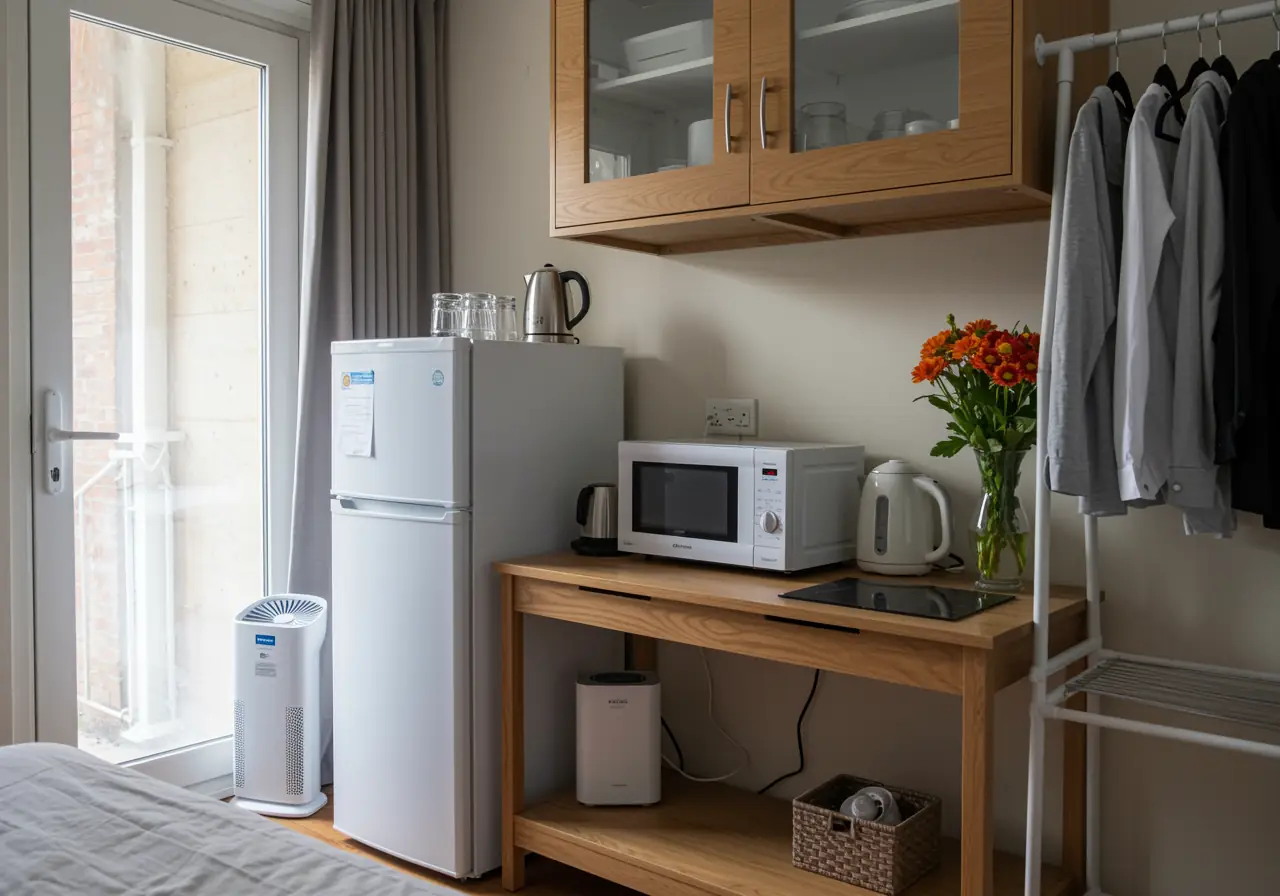
Establish a construction-free sanctuary where you can retreat from the chaos. Choose a room farthest from the primary work area and invest in making it truly comfortable:
- Install a high-quality air purifier with HEPA filtration
- Add weatherstripping to the door to prevent dust infiltration
- Set up a mini-fridge, microwave, and coffee maker if the kitchen is under renovation
- Create a clothing station with a garment rack and portable steamer
- Designate clean storage for important documents, electronics, and valuables
Consider investing in a portable washing machine if your in-unit laundry is offline, or establish a regular schedule at a nearby laundromat. These small conveniences dramatically improve your daily quality of life.
Establishing Communication Protocols
Daily contractor briefings are essential for occupied renovations. Establish a consistent time each morning (before work starts) and evening (after the crew leaves) to review progress, discuss upcoming work, and address concerns.
Create a shared digital space for:
- Daily progress photos
- Schedule updates and timeline changes
- Material delivery notifications
- Issue reporting with photo documentation
- Building management communications
Use project management apps like BuilderTrend, Houzz Pro, or even a shared Google Drive folder to maintain transparency and accountability. When you’re living in the space, you can’t afford miscommunication about which walls are being demolished or when water will be shut off.
Essential Supplies and Equipment
Stock up on these occupied-renovation necessities:
Cleaning and Protection:
- Industrial-grade shop vacuum with HEPA filter
- Multiple HEPA air purifiers (one per occupied room)
- Microfiber cloths and dust mops
- Heavy-duty garbage bags for daily debris removal
- Carpet protection film for completed flooring
Daily Living:
- Paper plates, cups, and disposable utensils
- Non-perishable foods and water bottles
- Personal hygiene supplies in waterproof containers
- Earplugs and noise-canceling headphones
- Portable LED work lights for evening visibility
Organization:
- Clear storage bins for items displaced from renovation areas
- Label maker for tracking packed belongings
- Temporary clothing rack or wardrobe
- File organizer for renovation documents and receipts
Working with Your Contractor and Building Management
Selecting the Right Renovation Team

Not every contractor is equipped for occupied apartment renovations. You need a team that understands the unique pressures of working around residents and can maintain professional boundaries while respecting your privacy.
Essential qualities to look for:
Experience with Occupied Projects: Ask potential contractors what percentage of their work involves occupied renovations. Request references specifically from homeowners who stayed during construction and ask about dust control, noise management, and daily cleanup protocols.
NYC Building Compliance Expertise: Your contractor should have extensive experience with NYC Department of Buildings permitting, co-op board approval processes, and building management relationships. They should proactively handle all documentation and liaison work rather than placing this burden on you.
Flexibility and Communication Skills: Occupied renovations require constant adaptation. Your contractor needs excellent communication skills and genuine flexibility to adjust schedules around your life events, building restrictions, and unexpected discoveries.
Comprehensive Insurance and Licensing: Verify that your contractor carries:
- General liability insurance with substantial coverage
- Workers’ compensation insurance
- NYC Home Improvement Contractor license
- Relevant trade licenses (plumbing, electrical, HVAC)
KS Renovation Group maintains all required licensing and insurance specifically for NYC co-op and condo renovations, with a proven track record of board approvals and occupied project success.
Building Rules and Neighbor Relations
Elevator reservations are one of the most contentious aspects of Manhattan renovations. Most buildings require advance booking for service elevator use, with restrictions on times and days. Coordinate with your contractor to schedule material deliveries and debris removal during approved windows – missing these slots can delay your project by days.
Proactive neighbor communication prevents complaints and maintains goodwill:
Before Construction Starts:
- Deliver personal letters to adjacent and below-floor neighbors explaining your timeline
- Provide your contact information and contractor details
- Offer to discuss any concerns in person
- Consider small gesture gifts (coffee gift cards, bottles of wine)
During Construction:
- Provide weekly updates on particularly noisy work (demolition, concrete work)
- Address complaints immediately and professionally
- Maintain common area cleanliness – no debris in hallways
- Respect quiet hours absolutely, even if building rules allow later work
Many co-op boards require neighbor sign-offs or will halt work if multiple complaints are filed. Your renovation’s success depends on maintaining positive relationships with those around you.

Managing Work Schedules and Access
Create a detailed access protocol with your contractor that protects your privacy while allowing efficient work:
Key and Access Control:
- Use contractor-specific key codes if your building has electronic locks
- Never provide master keys that access common areas
- Establish clear entry/exit times (example: 8:00 AM arrival, 5:30 PM departure)
- Install a temporary security camera in renovation areas if you’re uncomfortable with unmonitored access
Scheduling Considerations:
- Block out personal time when no work occurs (Friday evenings, Sunday mornings)
- Plan intensive noisy work (demolition, drilling) when you can be away from the apartment
- Coordinate inspection dates well in advance to ensure you’re present
- Schedule deliveries to avoid conflicts with your work meetings or personal obligations
Daily Cleanup Standards:
- Require end-of-day cleanup as a contract provision
- Expect swept floors, secured tools, and protected finished surfaces
- Insist on regular removal of debris and waste (daily during demolition)
- Demand functional bathroom and kitchen access by evening when applicable
Maintaining Your Quality of Life During Construction
Dust and Noise Management Strategies
Advanced dust containment goes beyond basic plastic sheeting. Professional occupied renovations require:
Dust Barrier Systems:
- ZipWall poles and dust barrier systems create floor-to-ceiling airtight partitions
- Negative air machines with HEPA filters actively pull air from construction zones
- Dust-rated air scrubbers that cycle room air multiple times per hour
- Sealed HVAC vents in renovation areas to prevent system contamination
Insist that your contractor implements these professional-grade solutions rather than relying on taped plastic sheets that inevitably fail.
Noise Reduction Tactics: Schedule the loudest activities (jackhammering, demolition, tile removal) during times when you can be away from the apartment. If your work schedule requires home presence:
- Use noise-canceling headphones for calls and concentration
- Install temporary acoustic panels or heavy curtains in your sanctuary room
- Coordinate with your contractor to schedule quiet tasks (painting, trim work) during your most critical work hours
- Consider working from coffee shops, libraries, or co-working spaces during peak noise periods

Kitchen and Bathroom Survival
Temporary kitchen setups can be surprisingly functional with proper planning:
Create a mini-kitchen station in your dining room or bedroom:
- Two-burner portable induction cooktop
- Countertop convection oven or air fryer
- Electric kettle for hot water
- Mini-fridge or full-size refrigerator if you have space
- Basic dishes, pots, and utensils
- Portable dishpan for washing dishes in the bathroom sink
Stock up on simple, nutritious meals that don’t require elaborate cooking: rotisserie chicken, pre-washed salads, microwaveable grains, and fresh fruits. Budget for more takeout than usual but avoid the expense and health impact of eating out for every meal.
Bathroom alternatives require more creativity, especially during your primary bathroom renovation:
- Negotiate shower times with your contractor if the second bathroom is functional
- Use gym memberships or day passes for daily showers during full bathroom gut renovations
- Install a temporary utility sink in another room for basic washing if you’re down to zero functional bathrooms
- Maintain a “go-bag” with shower supplies for gym visits
Expert NYC renovation contractors can install temporary plumbing connections that keep at least a toilet and sink functional even during major bathroom demolition.
Protecting Your Belongings and Sanity
Furniture and possession protection prevents heartbreak and costly replacements:
Move valuable and sentimental items to climate-controlled storage or sealed areas far from construction. For furniture remaining in the apartment:
- Cover everything with canvas drop cloths (more durable than plastic)
- Elevate furniture on blocks if floor work is happening nearby
- Create an inventory with photos for insurance purposes
- Store important documents, artwork, and electronics in sealed plastic bins
Mental health strategies are equally important as physical protection:
- Establish a firm end-of-day time when you reclaim your space
- Schedule regular nights away at a friend’s place or hotel when you need a break
- Maintain one evening per week that’s completely renovation-free for discussion
- Celebrate milestone completions with small rewards
- Keep a renovation journal documenting progress to remind yourself how far you’ve come
Remember that temporary discomfort leads to long-term enjoyment of your upgraded space.
Pet and Child Considerations
Children need extra protection and routine maintenance during occupied renovations:
- Establish strict boundaries about which rooms are off-limits
- Create a visual schedule showing when different areas will be construction zones
- Maintain consistent bedtimes and routines despite the chaos
- Consider temporary childcare during the loudest demolition phases
- Explain the process age-appropriately so children understand the disruption
Pets require special accommodations:
- Board pets during demolition or flooring installation when dust and chemicals peak
- Create a secure pet area with food, water, and litter box far from construction
- Inform contractors about pet presence to prevent escapes through open doors
- Walk dogs before contractor arrival and after departure to avoid conflicts
- Monitor pet stress levels – excessive hiding, appetite changes, or behavior shifts may indicate the need for temporary relocation
Never underestimate the stress construction places on animals and young children who don’t understand why their environment has become chaotic.
Conclusion: Turning Your Vision into Reality While Staying Home
Renovating your Manhattan co-op or condo without moving out is challenging – but with proper planning, the right contractor, and realistic expectations, it’s absolutely achievable. The savings on temporary housing can transform your renovation from good to spectacular, funding those premium finishes or expanded scope you’ve been dreaming about.
The key principles that separate successful occupied renovations from disaster stories are:
Strategic phasing that maintains livable space throughout your project, ensuring you always have functional kitchen and bathroom facilities.
Professional-grade dust containment and safety protocols that protect your health and belongings while allowing efficient construction progress.
Clear communication with your contractor, building management, and neighbors that prevents conflicts and keeps your project moving forward.
Realistic expectations about daily inconvenience balanced with focus on your long-term vision for a beautiful, functional home.
Your renovation journey doesn’t have to include the stress and expense of temporary relocation. With the right team and approach, you can wake up each morning in your own bed – albeit one covered in drop cloths – and watch your dream home take shape around you.
Ready to start planning your occupied renovation? Contact KS Renovation Group for a consultation with NYC’s specialists in minimally disruptive apartment transformations. Our team has successfully completed hundreds of occupied renovations in Manhattan co-ops and condos, and we’ll create a customized plan that keeps you comfortable while delivering the home you deserve.
Frequently Asked Questions
How long does a typical full apartment renovation take in NYC while living in the space?
A full apartment renovation in an occupied Manhattan co-op or condo typically takes four to six months, compared to three to four months for a vacant unit. The extended timeline accounts for phased construction, daily cleanup requirements, restricted working hours, and the need to maintain functional living spaces throughout the project. Studio and one-bedroom apartments fall on the shorter end, while three-bedroom units with multiple bathrooms can extend to six to eight months. Co-op board approval processes add an additional one to three months before construction begins, so plan your overall timeline accordingly.
What’s the minimum number of bathrooms needed to renovate while living in a NYC apartment?
Ideally, you need at least two bathrooms to comfortably renovate while staying in place – one to renovate while using the other. However, many New Yorkers successfully navigate single-bathroom renovations by establishing clear schedules with contractors for temporary bathroom access, using gym facilities for showers, or installing temporary utility sinks. If you have only one bathroom, plan the bathroom renovation for the final phase of your project after establishing a relationship with your contractor, or be prepared for several weeks of significant inconvenience. Some contractors can keep a toilet and sink functional even during gut renovations by installing temporary connections.
Can co-op boards prevent me from living in my apartment during renovation?
Most NYC co-op boards cannot legally prevent you from living in your apartment during renovation since it’s your primary residence. However, they can impose strict working hour limitations, require enhanced dust containment measures, and halt work if safety concerns or neighbor complaints arise. Some ultra-luxury buildings have house rules requesting owner vacancy during major renovations, but these are typically unenforceable guidelines rather than mandatory requirements. Review your proprietary lease and alteration agreement carefully, and maintain open communication with your board to avoid conflicts that could delay your project.
What are the most disruptive phases of a renovation, and how can I plan around them?
Demolition (typically one to two weeks) is the loudest and dustiest phase – plan to work elsewhere or take vacation during this period. Flooring installation, particularly hardwood sanding and refinishing, creates pervasive dust and toxic fumes requiring several days of vacancy or intensive ventilation. Concrete work for bathroom renovations involves jackhammering that’s extremely loud and generates concrete dust that penetrates everywhere. Plan these intensive phases for times when you can stay elsewhere, or at minimum, be away from the apartment during working hours. Painting and trim work, by contrast, are relatively manageable to live through with proper ventilation.
How much additional planning is required for occupied renovations compared to vacant ones?
Occupied renovations require significantly more detailed planning than vacant projects. You’ll need to create comprehensive phasing schedules that maintain livable space, establish enhanced dust containment systems, coordinate daily cleanup requirements, and plan temporary facilities for cooking and bathing. Communication protocols become critical – daily briefings with your contractor, regular updates to neighbors, and careful coordination with building management. You’ll also need contingency plans for particularly disruptive phases and establish clear boundaries between construction zones and living areas. The extra planning effort, however, pays off by allowing you to stay in your home throughout the renovation process.